
How to Read Tarot Cards for Beginners
Tarot reading is a powerful tool for inner reflection, offering insights into our emotional patterns, decision-making processes, and spiritual growth. This intricate system consists of 78 cards, divided into two main categories: the Major Arcana and the Minor Arcana, each representing different facets of the human experience. This beginner-friendly guide will empower you with the foundational knowledge needed to embark on your tarot journey, emphasize intuition, and introduce simple spreads that resonate with your inner self. Prepare to unlock the wisdom of the cards and navigate your path with greater clarity.
The Structure of Tarot: Major and Minor Arcana
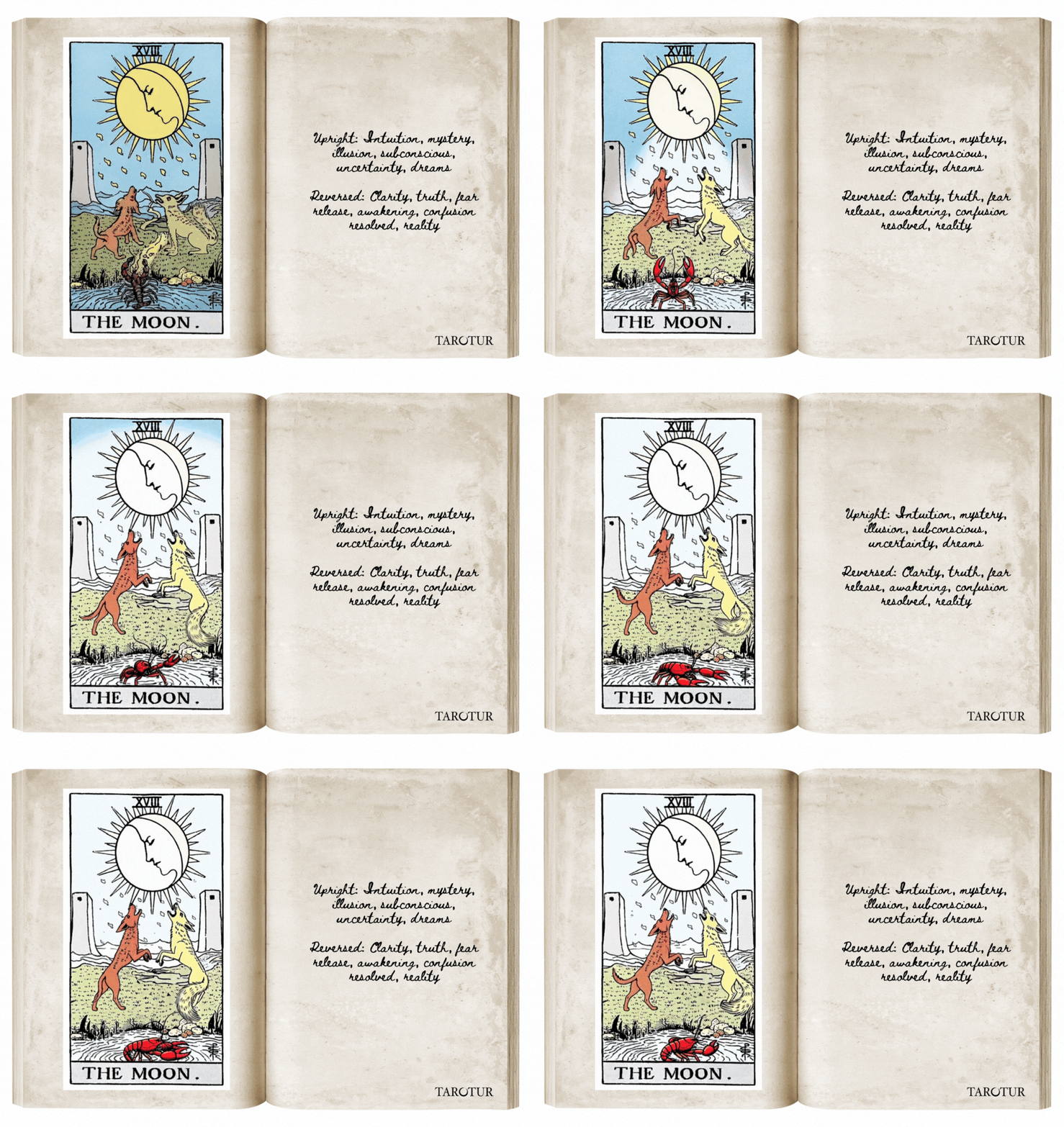
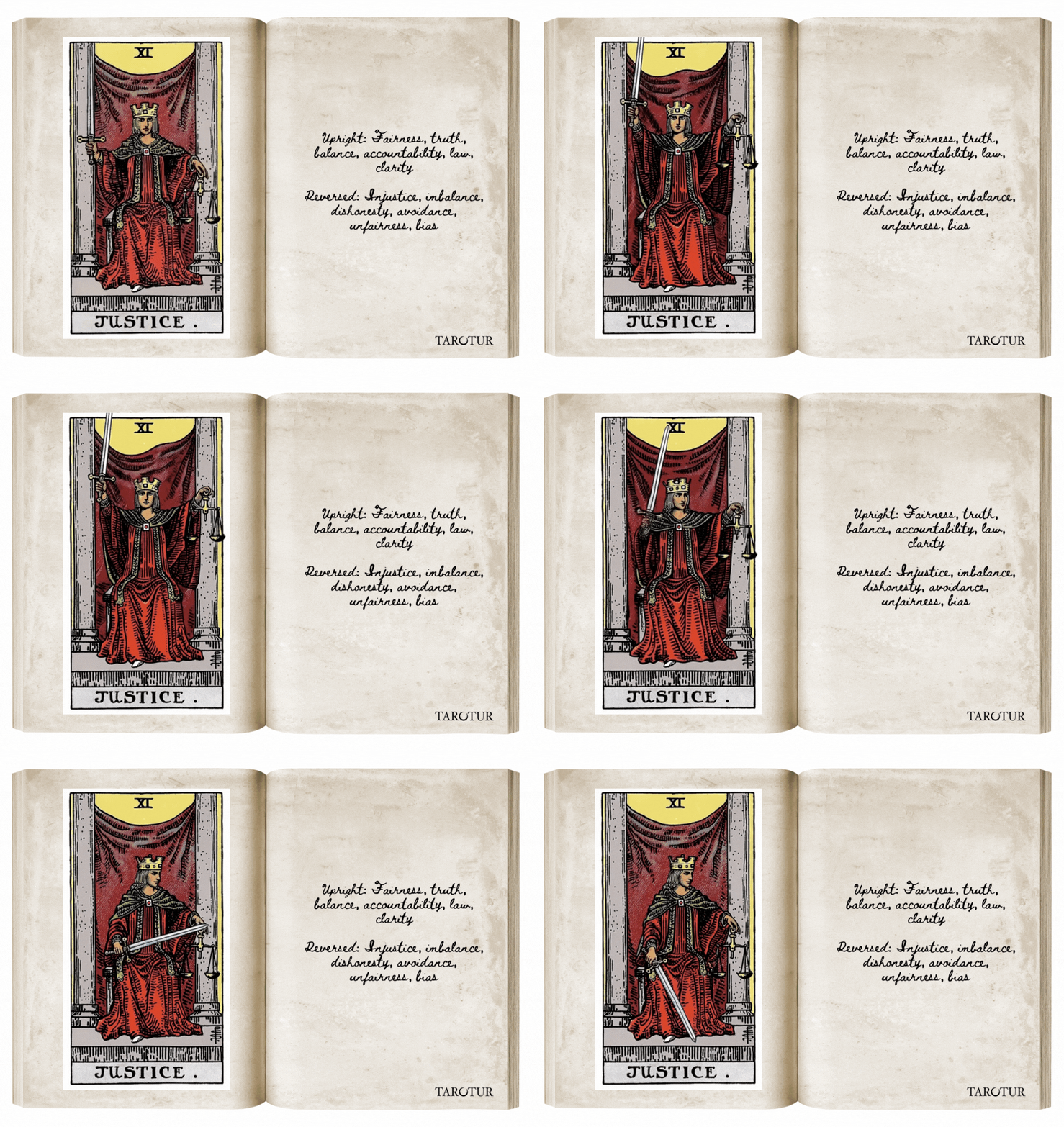
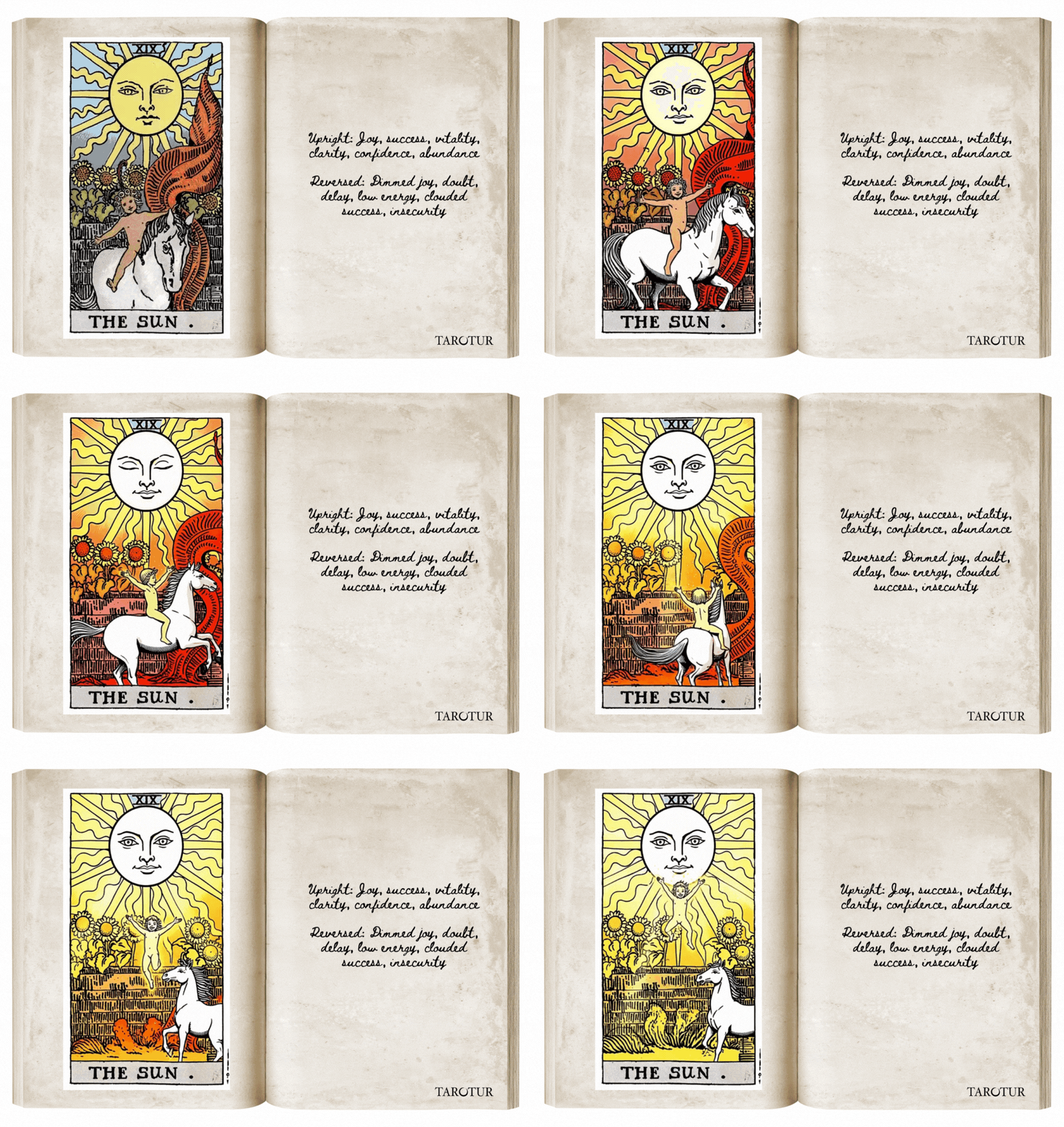
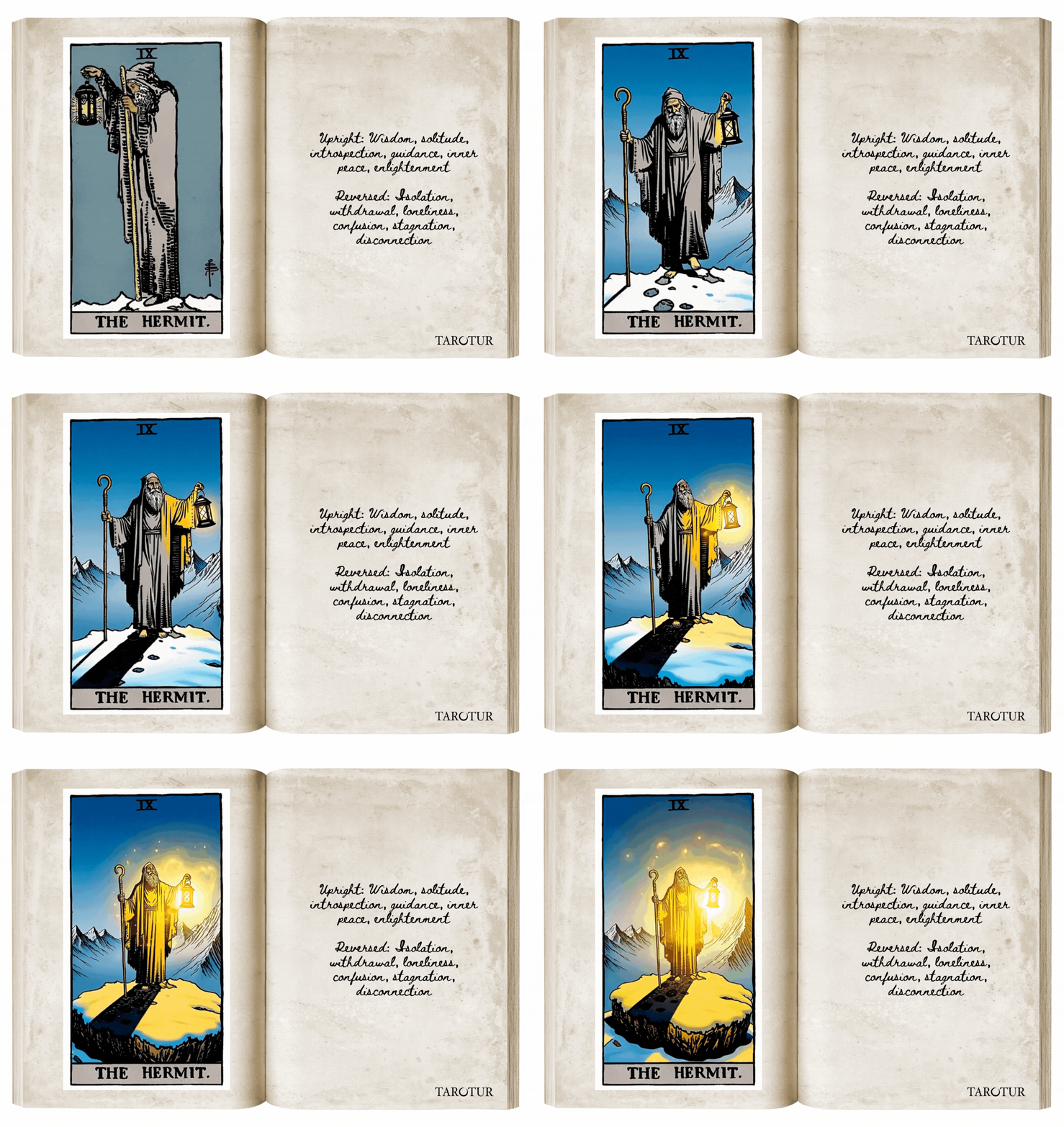
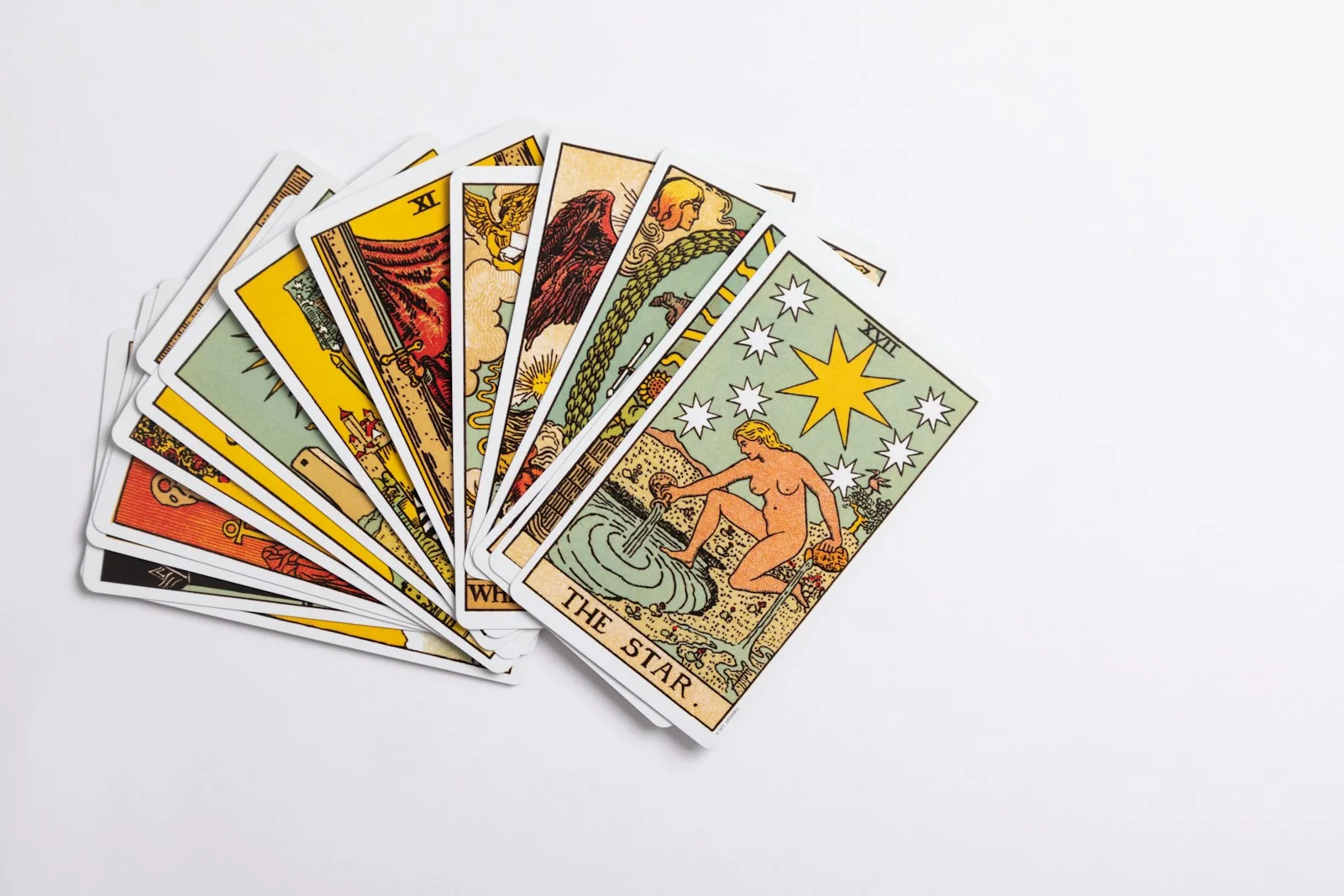
The Tarot deck is beautifully structured, comprising the Major Arcana and the Minor Arcana. The Major Arcana consists of 22 cards, each embodying significant life lessons, archetypes, and spiritual journeys—think of them as markers of your soul’s path. Cards like The Fool, The Empress, and The Tower offer deep psychological insights and encapsulate universal themes such as new beginnings, nurturing energy, and transformation.
On the other hand, the Minor Arcana includes 56 cards that delve into our everyday experiences and emotional patterns. These are divided into four suits: Cups, Wands, Swords, and Pentacles. Each suit reflects different aspects of life—emotion, action, thought, and materiality, respectively. Understanding this structure allows you to read not just the individual cards but also the narrative they create when analyzed collectively.
Learning Card Meanings and Trusting Your Intuition
To read tarot effectively, it’s vital to learn the meanings of the cards. Begin with the Major Arcana, absorbing the archetypes they represent. Consider keeping a tarot journal where you can reflect on each card’s meaning, importance, and how it relates to your life experiences. As you familiarize yourself with the card meanings, use intuitive prompts—what does a card evoke emotionally? What symbol stands out to you? Allow your inner voice to interpret what resonates.
Intuition plays a significant role in tarot reading. Sometimes, the cards may appear to convey meanings strictly tied to their definitions. However, the true essence of tarot lies in its personal interpretation. When you pull a card, take a moment to ground yourself. Breathe deeply and let the energy of the card flow into your consciousness. Reflect on the question at hand and allow your feelings and thoughts about the image and symbols to guide your interpretation.
Shuffling and Grounding Techniques
Shuffling the deck is not just a mechanical act; it’s part of your ritual that connects you with the energy of the cards. As you shuffle, infuse your intention into the deck. Think about your query and focus on what you wish to learn. Grounding yourself before a reading is equally important; it helps align your energy with the cosmic currents you seek to tap into. Consider visualizing roots extending from your feet into the earth, stabilizing your spirit and centering your thoughts.
Additionally, after shuffling, you might feel called to split the deck or choose cards intuitively. This act connects you further to the rhythmic dance of fate and free will. Embrace the chaos and harmonize with the flow of your inner wisdom, allowing the universe to guide your hands as the cards reveal the insights you seek.
Simple Spreads for Beginners
For those just starting, simple spreads are invaluable. One effective spread is the Three-Card Spread, which can represent the past, present, and future or your current situation, obstacles, and advice. Lay out the cards from left to right, interpreting each in the context of your inquiry. This spread serves as a mirror for self-reflection, guiding you through the various layers of your question.
- Single Card Pull: Perfect for daily guidance. Focus your intention, draw one card, and reflect on its significance throughout your day.
- One-Card Advice Spread: Seek specific guidance by pulling a single card that offers insight on an issue currently concerning you.
- Celtic Cross: A more complex, yet rewarding spread, addressing challenges and forces at play in various areas of your life. (Best for those ready to delve deeper.)
Remember that the main intention behind these spreads is to promote inner growth. As you practice, allow your interpretations and insights to deepen over time.
Conclusion
Learning to read tarot is not merely about card meanings; it’s a profound journey into your psyche, emotions, and the universal energies that guide us. By embracing the structure of the deck, cultivating your intuition, grounding your energy, and engaging in simple spreads, you can unearth layers of personal and spiritual wisdom. Let your tarot practice evolve as a dynamic reflection of your inner journey, revealing both the shadows and light within. As you explore this ancient divination tool, may you emerge more enlightened, balanced, and connected to the cosmos.
FAQ
What is the difference between Major and Minor Arcana?
The Major Arcana focuses on significant life themes and archetypes, while the Minor Arcana addresses everyday experiences, emotional patterns, and decision-making processes.
How can I enhance my intuition while reading tarot?
Practice grounding techniques, reflect deeply on the imagery of the cards, and allow emotions to guide your interpretations. Trust your feelings and insights as valid expressions of the cards’ energies.
What are recommended spreads for beginners?
Start with simple spreads like the Three-Card Spread, Single Card Pull, and One-Card Advice Spread to gradually familiarize yourself with card meanings and interpretations.