
The Lotus Flower: A Profound Symbol of Spiritual Purity, Rebirth, and Enlightenment
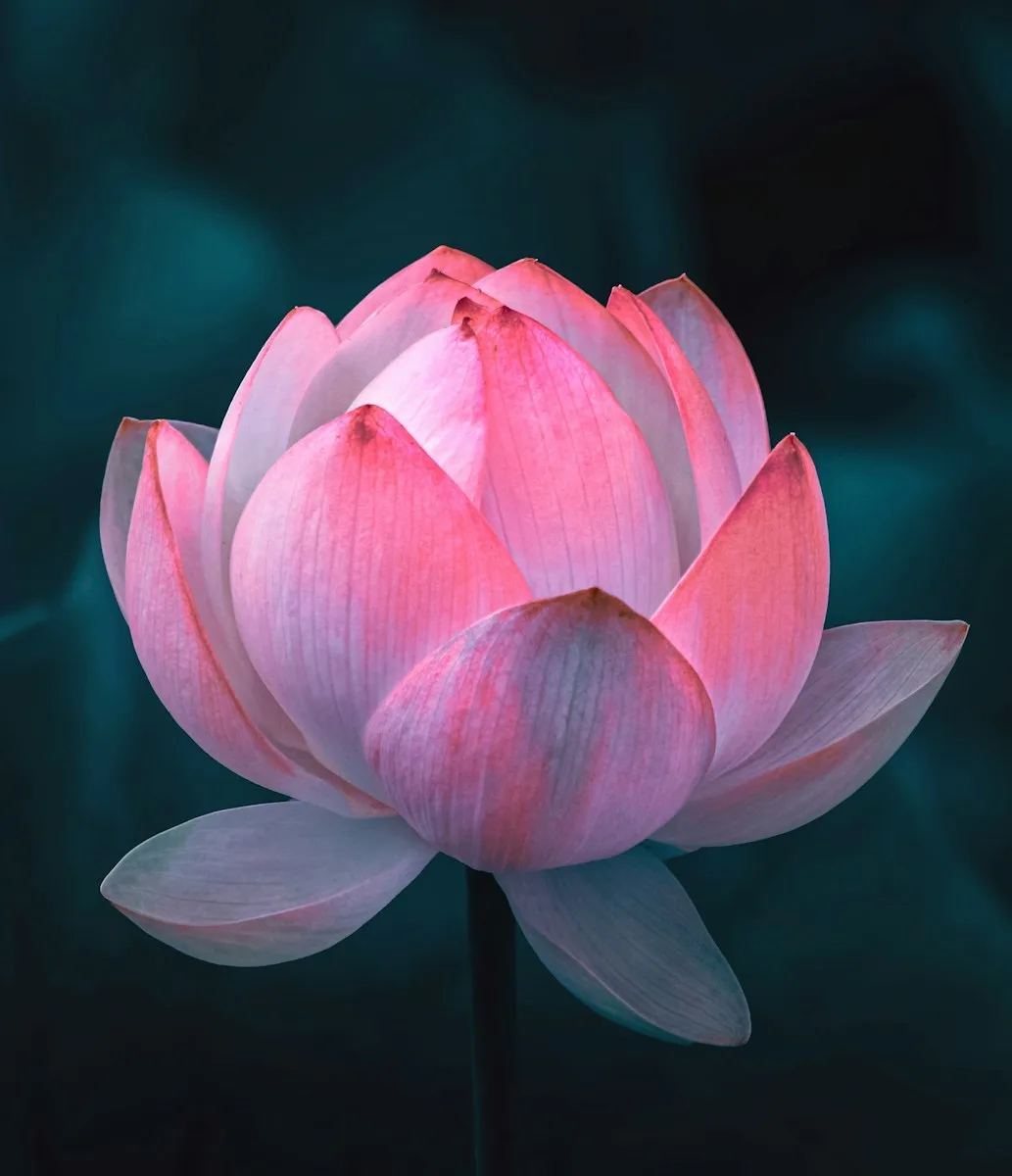
The lotus flower holds deep spiritual significance across various cultures, particularly in Hinduism and Buddhism, where it embodies themes of purity, rebirth, and enlightenment. Growing from the murky depths of muddy waters to blossom into a stunning flower above the surface, the lotus reflects the human journey of inner transformation and awakening. Understanding its layered symbolism can illuminate paths to healing, chakra alignment, and mindfulness in our daily lives. This exploration not only highlights the lotus’s role in spiritual traditions but also invites introspection about our emotional patterns and growth within the vast cosmos.
Symbolism of Purity and Innocence
The lotus flower’s emergence from the mud symbolizes the potential for beauty to arise from adversity. In spiritual terms, it represents the purity of the heart and mind, untouched by the impurities of the world. In many philosophical beliefs, much like the lotus, our true essence remains unscathed, even amidst life’s challenges. This principle invites us to reflect on our **emotional patterns**; how often do we allow external circumstances to taint our inner peace?
In both Hinduism and Buddhism, the lotus is revered for embodying the **innate purity** of human nature, suggesting that clarity can emerge from confusion. As we engage in spiritual practices such as meditation, we begin to peel away layers of defilement, revealing the untouched part of ourselves—our inherent goodness. Thus, the lotus becomes an apt reminder of the beauty that can blossom when we nurture our inner worlds.
Rebirth and Transformation: The Cycle of Life
The lotus flower is an enduring symbol of rebirth, resonating with the astrological themes of transformation associated with cycles of the moon and other celestial bodies. Just as the lotus undergoes a complete transformation during its cycle—from seed to bloom—so too does each individual experience cycles of death and rebirth within their emotional and spiritual journeys. As we encounter losses, transforming those experiences into new beginnings allows us to embrace the lotus’s lesson on the cyclical nature of existence.
This transformation calls us to **embrace change**, allowing emotional healing to unfold naturally. Consider journaling about your own cycles of rebirth. What emotional patterns are ready to shed? By acknowledging these cycles, we can consciously choose to grow, rising above previous difficulties with renewed strength and clarity—much like a lotus ascending from the depths of murky waters to reach for the sky.
Enlightenment: The Lotus as a Path to Higher Consciousness
The lotus flower is often associated with enlightenment, particularly in the spiritual philosophies of Buddhism, where it signifies the journey toward attaining higher consciousness. Each layer of the lotus petal symbolizes the different stages of spiritual awakening. As we endeavor to traverse through our own paths, we may find ourselves peeling back layers, revealing deeper truths and insights, much like the gradual unfolding of the lotus.
Incorporating the symbolism of the lotus into daily mindfulness practices can enhance our spiritual journeys. **Meditative visualization** of a blooming lotus can serve as a powerful tool for focusing on inner awakening. Reflect: What layers of ignorance or attachment can you let go of to attain enlightenment? In doing so, you honor the lotus by allowing your spirit to blossom toward the purity of higher understanding.
The Healing Properties and Chakras of the Lotus
Interwoven with concepts of energy and chakras, the lotus flower holds significant healing properties as it connects us with our **inner world**. Each chakra is often depicted with a lotus at its center, symbolizing the unfolding potential of human consciousness as we move toward mastery of each energy center. For instance, the root chakra, grounded in the earth, is likened to the sturdy roots of the lotus, while the crown chakra, associated with spiritual connections, aligns with the fully bloomed flower.
When meditating on the lotus, one can awaken the subtle energies within, initiating healing journeys that correlate with each chakra. How does the energy flow through you? Are there blockages preventing you from reaching your fullest potential? Embracing the healing qualities of the lotus allows us to navigate these energetic landscapes, promoting overall emotional and spiritual well-being and harmony.
Lotus in Modern Mindfulness Practices
In today’s world, the lotus flower transcends cultural boundaries and becomes a universal symbol integrated into modern mindfulness practices. Its message of personal growth, healing, and enlightenment resonates deeply with those seeking inner peace and self-awareness. By meditating on the lotus, adopting its imagery in rituals, or practicing mindfulness techniques inspired by its symbolism, individuals tap into a potent reservoir of strength and resilience.
As you explore modern mindfulness, consider incorporating the lotus into your practice: How can the concept of blossoming through challenges serve as inspiration in your life? Encourage yourself to find stillness, much like the lotus resting on the surface, and reflect upon your personal journey. This practice of recognition and gratitude toward your own growth will lead to profound inner peace and enlightenment.
Conclusion
The lotus flower stands as a remarkable symbol of purity, rebirth, enlightenment, and healing across multiple dimensions of spirituality, psychology, and philosophy. Embracing the lotus in our own lives asks us to reflect deeply on our inner landscapes and emotional patterns, urging us to allow our true essence to emerge. As we navigate the complexities of life, this sacred emblem encourages us to remember our journey toward enlightenment is continuous and cyclical. By harmonizing our energies and acknowledging the beauty of transformation, we can cultivate a path of mindfulness and a deeper connection to our higher selves.