
How to Read a Birth Chart: Signs, Houses & Planetary Energies for Deep Inner Insight
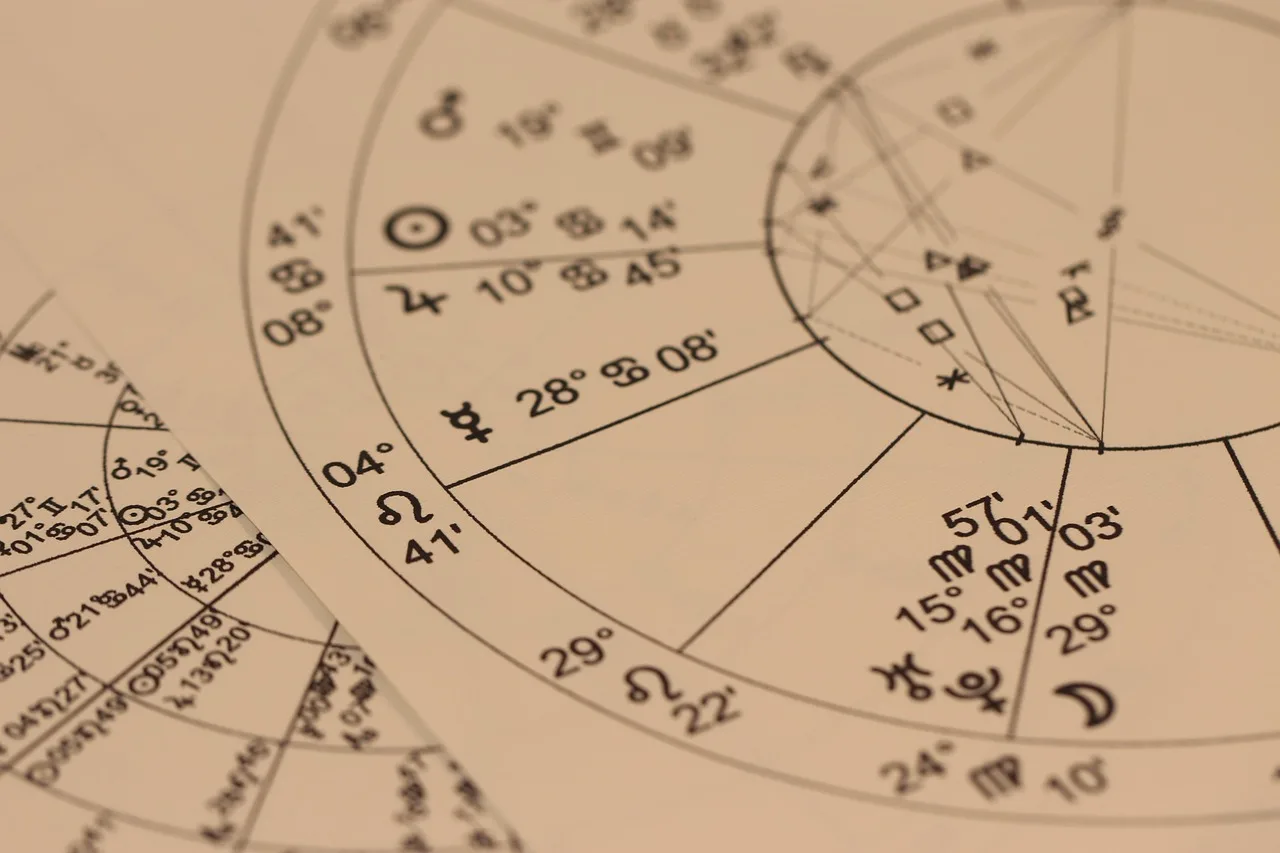
The birth chart, or natal chart, is far more than a horoscope—it is a sophisticated astronomical snapshot of the sky at the exact moment of your first breath. Interpreted psychologically, it serves as a profound soul blueprint, mapping your unique psychological infrastructure, spiritual challenges, and innate potential. Learning how to read this circular map is learning the language of your own inner world, revealing the specific blend of energies, archetypes, and emotional patterns designed for your journey toward self-actualization. This ancient practice provides a trustworthy framework for understanding the interplay between free will and cosmic cycles, bridging the gap between astrology and deep personal growth.
The Sacred Trinity: Understanding the Astrological Pillars
To decode your birth chart is to understand the synergistic relationship between three core components. Think of these elements as a sacred trinity that defines how energy operates within your life. Firstly, the Planets represent the pure energies, the fundamental psychological drives, or the “What” and “How” of action—they are the engines of the cosmos. Secondly, the Zodiac Signs (Aries through Pisces) act as the filter, the quality, or the style in which those energies are expressed—they are the psychological motivation. Finally, the Houses represent the 12 specific arenas of life experience, determining the “Where” the energy manifests—they are the stage upon which the cosmic drama unfolds.
A true reading involves synthesizing these three factors: What planetary energy is being expressed (e.g., Mars), through what lens or style (e.g., Gemini), and in what area of life (e.g., the 7th House of Relationships)? The chart is thus a map of dynamic potential, not static fate. By understanding this structure, we move beyond generic sun sign traits and begin to recognize the complexity of our own character, appreciating that destiny is merely the field of potentiality demanding our conscious participation.
Planetary Engines & Jungian Archetypes: Exploring Shadow and Light
The ten major celestial bodies in astrology correspond precisely to major psychological functions and Jungian archetypes. They are the universal roles we embody and express. Understanding them through the lens of shadow and light is crucial for inner work.
- The Sun: Represents the Ego and the conscious direction of life—the Self Archetype. Its light expression is vital purpose and confident self-expression. Its shadow side can be expressed as narcissistic demand or rigid ego control.
- The Moon: Governs the deep, intuitive, and subconscious world—the Anima/Inner Child. In the light, it offers emotional security and nurturing instincts. In shadow, it manifests as dependency, moodiness, or uncontrolled emotional reaction.
- Mercury, Venus, and Mars (Inner Planets): These reflect personal, immediate needs. Mercury is The Messenger (communication/mind), Venus is The Lover/Aesthetic (values/attraction), and Mars is The Warrior (drive/assertion). If these energies are blocked or misdirected (the shadow), they result in communication breakdowns, self-worth issues, or aggressive conflict.
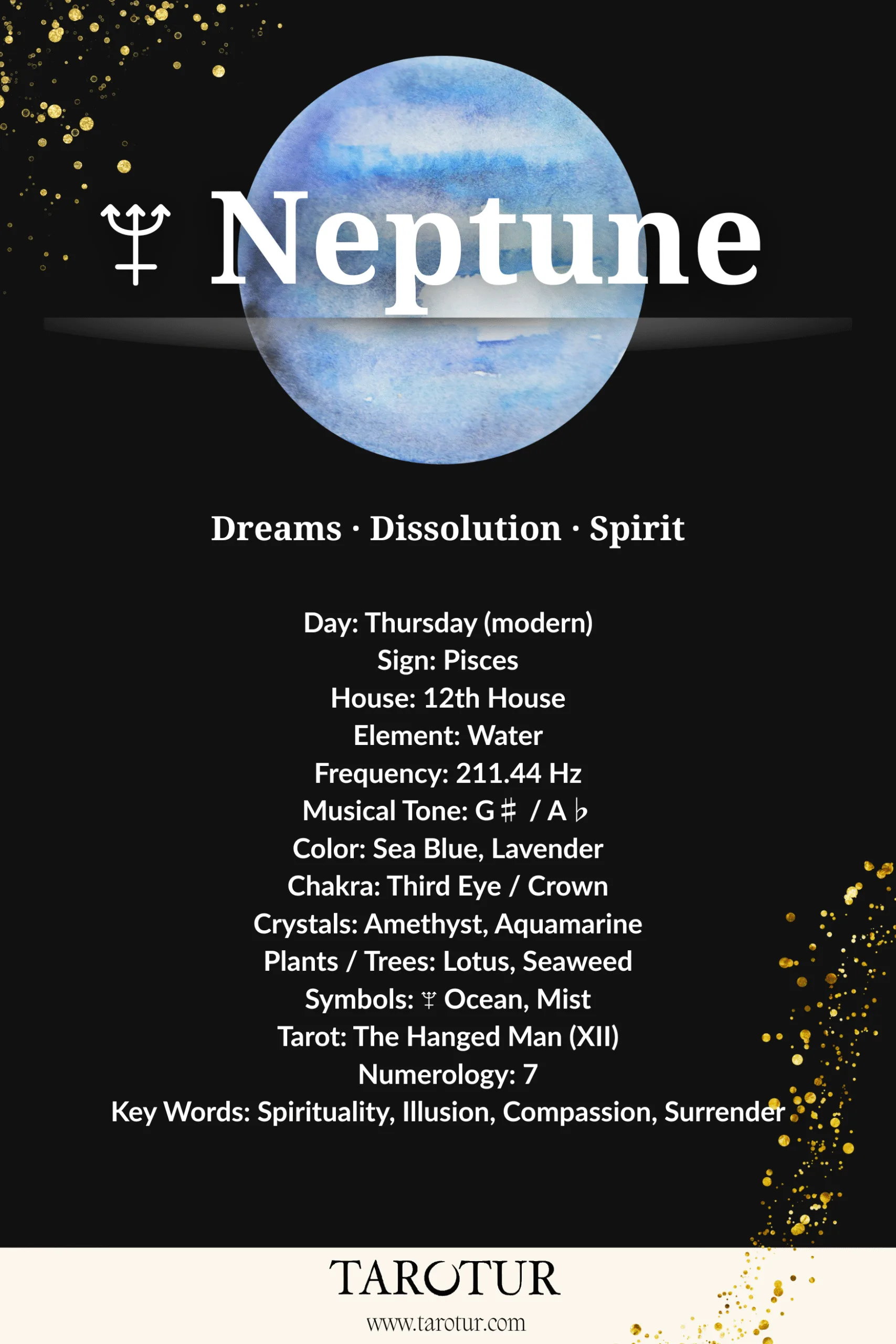
The outer planets—Jupiter, Saturn, Uranus, Neptune, and Pluto—govern generational energies and transpersonal transformation. They challenge us to evolve beyond the personal ego. For example, Saturn is the archetype of The Elder or The Taskmaster, defining structure, discipline, and limitation. While its light expression offers mastery and maturity, its shadow traps us in fear, scarcity, or rigid traditionalism. Recognizing these planetary drives allows us to identify which parts of our psyche are cooperating and which are in conflict, guiding us toward conscious integration rather than unconscious compulsion.
The Twelve Houses: Fields of Experience and Soul Evolution
The twelve houses overlay the birth chart, describing the specific existential spheres where we encounter life’s lessons. They are derived from the rotation of the Earth, making them highly personal and experiential. The houses begin with the 1st House (Identity and Appearance) at the Ascendant and proceed counter-clockwise through areas like resources, communication, home, romance, service, partnership, transformation, wisdom, career, community, and spirituality.
The significance of the houses lies in their angularity. The four main angles (the 1st, 4th, 7th, and 10th houses) are crucial life pillars. The 1st House cusp (Ascendant) is the “mask” we show the world—how we initiate contact. The 7th House, directly opposite, defines our approach to Otherness and serious partnership, often revealing what we project onto others. The 10th House (Midheaven) dictates public visibility and vocation. Where your planetary energy falls within these houses determines the environment in which you are learning your most vital lessons. If you have Mars in the 10th House, your drive (Mars) is focused on achieving public recognition and career goals (10th House).
Understanding the houses means recognizing that certain areas of life are cosmically “lit up” for this incarnation. If the 8th House (transformation, shared resources, death/rebirth) is heavily activated, the soul is drawn toward deep psychological inquiry, intensity, and confronting taboos. This stage-setting function of the houses helps frame our deepest emotional patterns and allows us to accept the inherent challenges placed before us as necessary for growth.
The Art of the Aspect: Understanding Inner Dialogue and Tension
Aspects are the angular relationships (measured in degrees) between the planets, acting as the dynamic grammar of the chart. They describe how the different psychological drives either harmonize or clash. This is where the chart becomes a map of internal psychological friction.
Trines (120°) and Sextiles (60°) represent flow, ease, and natural gifts. When two planets are trine, their energies cooperate effortlessly; this often feels like an innate talent or a path of least resistance. While comfortable, too much ease can lead to complacency. Conversely, Squares (90°) and Oppositions (180°) are known as challenging or hard aspects. Squares represent friction, tension, and necessary conflict—they force two planetary energies to resolve their differences, driving conscious effort and change. These are the aspects that lead to significant psychological integration and personal breakthroughs, often forcing us to confront the shadow material.
The Opposition (180°) is particularly psychological, often manifesting as a “teeter-totter” effect, where the individual swings between two extremes, or projects one side of the conflict onto a partner or external enemy. Truly reading aspects requires identifying these internal stress points and recognizing that the goal isn’t to eliminate the tension, but to transform it into dynamic creative energy. The challenging aspects are, paradoxically, the primary engines of our spiritual evolution.
Synthesizing the Self: Elemental Balance and the Beginner’s Roadmap
Before diving into individual planets and houses, a holistic reading requires examining the chart’s overall texture, particularly the Elemental Balance. Astrology divides the signs into four elements, each representing a core psychological temperament:
- Fire (Aries, Leo, Sagittarius): Spirit, intuition, energy, and enthusiasm.
- Earth (Taurus, Virgo, Capricorn): Practicality, grounding, sensory reality, and stability.
- Air (Gemini, Libra, Aquarius): Thought, communication, objectivity, and relationships.
- Water (Cancer, Scorpio, Pisces): Emotion, intuition, sensitivity, and depth.
An excess or deficiency in any element points to an imbalance that requires conscious compensation. For instance, someone with a heavy concentration of Water signs but very little Earth might be overwhelmingly sensitive and prone to emotional flooding, requiring conscious practices of grounding and physical routine to find balance. The birth chart gives us the diagnostic; our inner work provides the corrective action.
A Beginner’s Checklist for Chart Interpretation
Use this roadmap to guide your initial reading of your cosmic cycle:
- Identify the Ascendant (Rising Sign): This is your 1st House cusp. Note the sign, as it sets the tone for your persona and life direction.
- Locate the Sun, Moon, and Ascendant Rulers: Understand your core identity (Sun), emotional nature (Moon), and external style (Ascendant).
- Note Angular Placements: Look for any planets located near the 1st, 4th, 7th, or 10th House cusps, as these planets wield significant influence over your life path.
- Analyze Major Aspects: Identify the most stressful (Squares/Oppositions) and the most harmonious (Trines/Sextiles) relationships between planets. These define your primary psychological challenges and gifts.
- Check Elemental Density: Assess the balance of Fire, Earth, Air, and Water to understand your fundamental temperament and identify areas needing conscious integration.
Conclusion
The birth chart is a powerful hermetic key, allowing access to the deepest chambers of the Self. It illuminates the specific cosmic energies channeled through your personality, revealing why you are driven toward certain challenges and why certain lessons repeat. By moving beyond simple prediction and embracing the chart as a sophisticated psychological and spiritual map, we can consciously engage with our planetary drives, integrate our shadow material, and harmonize our elemental makeup. Reading your natal chart is ultimately an act of radical self-acceptance, transforming inherent character flaws into fuel for self-mastery and accessing the true, unconditioned Self that lies beneath the celestial blueprint.